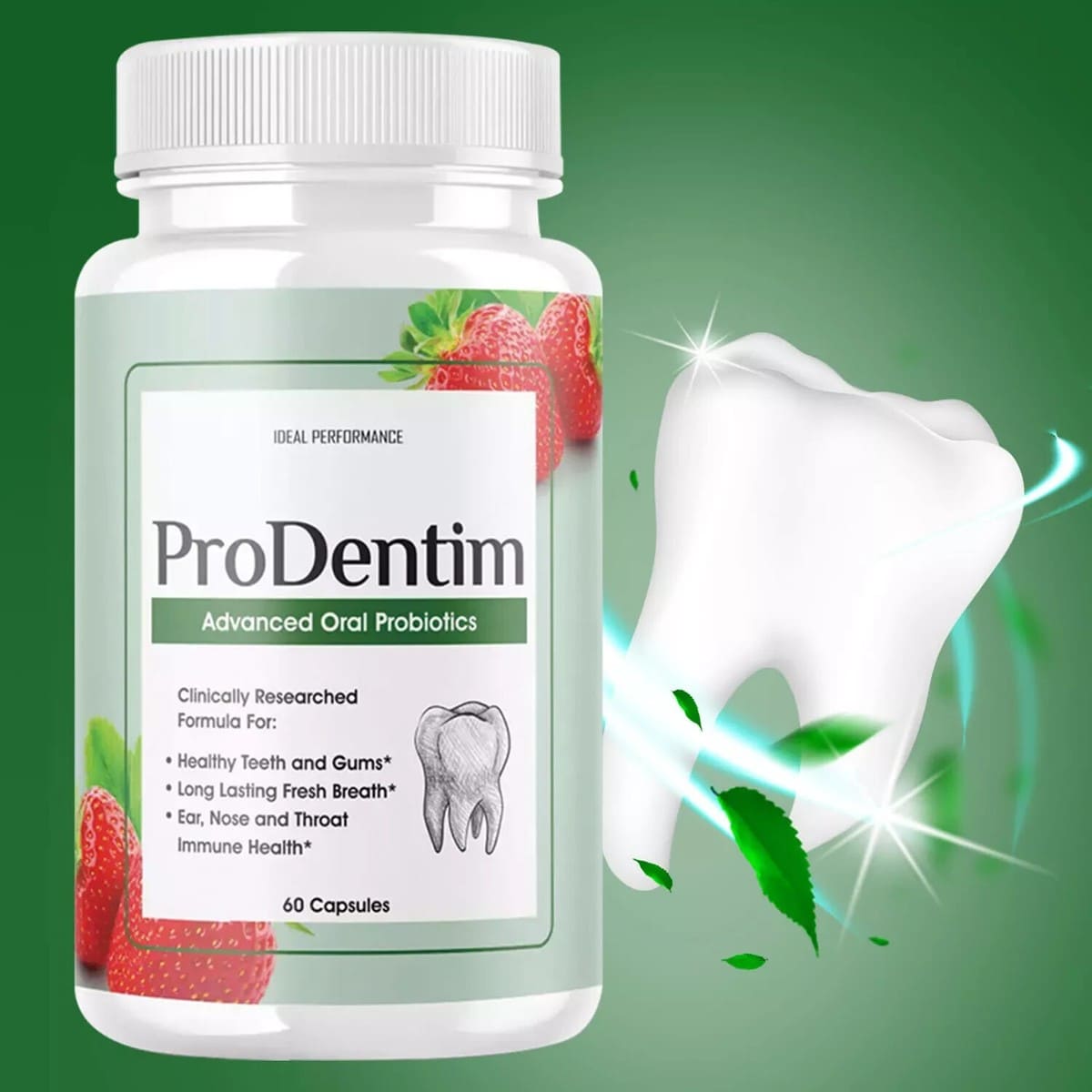
If you’re wondering whether ProDentim actually works for oral health, you’re asking exactly the right question. With countless supplements making bold promises about dental health, it’s essential to look beyond marketing claims and examine what science tells us about the ingredients and their real-world effectiveness.
The encouraging answer is yes, ProDentim combines seven ingredients with legitimate scientific support for oral health. While individual results vary, the research foundation behind each component demonstrates genuine potential for supporting healthy teeth, comfortable gums, and fresh breath.
This science-backed review examines the evidence behind ProDentim, explains how it works, and helps you understand what results you can realistically expect for your dental health.
Understanding How ProDentim Works
ProDentim doesn’t rely on a single ingredient or mechanism. Instead, it provides comprehensive support for oral health through seven scientifically-researched ingredients working together through complementary pathways.
The formula addresses dental health by preventing cavity-causing bacteria from thriving, stopping harmful bacteria from forming biofilms on teeth and gums, rebalancing your oral microbiome with beneficial bacteria, reducing inflammation in gum tissue, remineralizing early enamel damage, and providing antimicrobial protection.
This multi-pathway approach recognizes that oral health depends on addressing multiple interconnected factors simultaneously rather than targeting just one problem.
Learn more on how ProDentim can help you improve your dental health.
The Science Behind Each Ingredient
Let’s examine what peer-reviewed research demonstrates about how each ingredient supports your dental health.
Lactobacillus Paracasei: The Microbiota Rebalancer
Lactobacillus paracasei is a beneficial bacterium specifically selected for its non-cavity-causing properties. This makes it safe for long-term oral health support.
This probiotic works through three primary mechanisms. It suppresses biofilm formation by inhibiting the production of extracellular polysaccharides, the “glue” that holds bacterial colonies together on your teeth. It rebalances your dental plaque composition, shifting it away from cavity-causing bacteria toward health-associated species. And unlike some lactobacilli that can produce cavity-promoting acid, L. paracasei is deliberately non-cariogenic.
Research demonstrates that L. paracasei shows particularly consistent results for plaque reduction. In animal studies, it significantly reduced cavity severity scores. Both live and heat-killed forms inhibited cavity-causing bacterial biofilm formation, indicating the mechanism works even if bacteria are inactivated.
Studies show L. paracasei alters the microbial composition of dental plaques, creating conditions less favorable to cavity-causing bacteria. Fermented preparations containing L. paracasei demonstrated anti-cavity function with reduced harmful bacterial counts and lesion formation.
Bifidobacterium Lactis BL-04: The Periodontitis Fighter
Bifidobacterium lactis BL-04 specifically targets the bacteria living below your gum line that cause periodontal disease. This makes it particularly valuable for gum health.
This probiotic uses multiple mechanisms to combat gum disease. It directly kills or suppresses the most destructive periodontal pathogens. It actively colonizes subgingival biofilms, reducing available binding sites for harmful bacteria. It reduces pro-inflammatory cytokines in the fluid between teeth and gums. And remarkably, it persists in your oral cavity for weeks even after stopping use.
The clinical evidence supporting B. lactis for periodontitis is impressive. A landmark double-blind, randomized, placebo-controlled study tested B. lactis lozenges as an addition to professional deep cleaning.
The results were remarkable. Probing pocket depth showed significantly greater improvement in the B. lactis group. More gum tissue reattached in the probiotic group. For deep pockets, the critical measure of advanced disease, 58% of deep pockets in the B. lactis group shrank to healthy depth compared to only 22% in the control group. That’s a 36 percentage point advantage.
The bacteria successfully colonized the periodontal region, and the most destructive periodontal pathogens were significantly reduced. This pathogen reduction persisted even 60 days after discontinuation. Pro-inflammatory markers were significantly lower in the B. lactis group, crucial because inflammation drives periodontal destruction.
Lactobacillus Reuteri: The Anti-Inflammatory Powerhouse
Lactobacillus reuteri is one of the most extensively researched oral probiotics, with robust clinical evidence supporting its oral health benefits.
This beneficial bacterium operates through multiple mechanisms. It produces bacteriocin-like inhibitory substances that directly kill pathogenic bacteria. It significantly reduces pro-inflammatory cytokines by inhibiting molecular pathways driving gum inflammation. And it outcompetes periodontal pathogens for adhesion sites on teeth and gum tissue.
Research shows that in 75% of patients with chronic periodontitis, L. reuteri significantly reduced pro-inflammatory cytokines. A 2025 clinical trial demonstrated clinically meaningful reductions in probing depth, clinical attachment level, and alveolar bone loss.
When combined with professional scaling and root planing, L. reuteri produces synergistic benefits. The combination reduced probing depth by 1.31 mm, far more than would be expected if the effects simply added together. This synergy means L. reuteri enhances professional dental treatments.
Research shows L. reuteri significantly reduces subgingival levels of the most harmful periodontal pathogens. Clinical improvements appear within 4 to 12 weeks of consistent use.
Inulin: The Prebiotic Foundation
Inulin is a naturally occurring dietary fiber that serves as a prebiotic, selectively feeding beneficial bacteria in your mouth.
Unlike probiotics that introduce bacteria, inulin creates conditions for beneficial bacteria already in your mouth to thrive. It serves as food specifically for beneficial Bifidobacterium and Lactobacillus species. It shifts your entire oral microbial ecosystem toward health-associated bacteria. It may enhance oral mucosal barrier function through systemic immune support. And fermentation of inulin by beneficial bacteria produces metabolites that help maintain healthy oral pH.
A 2024 double-blind randomized controlled study compared five sweeteners for their effects on the oral microbiome. Inulin showed the strongest microbial modulating effect among all tested compounds. It increased the proportion of bacterial species associated with oral health. It produced limited reduction of bacteria associated with periodontal disease and cavities. And remarkably, this effect worked without changing salivary pH, proving it’s not just acid-related.
Inulin works synergistically with probiotics by providing “food” for the beneficial bacteria introduced in the formula. This is why probiotic plus prebiotic combinations are superior to probiotics alone.
Microbiota shifts have been observed within 2 weeks of consistent use, making inulin a fast-acting component of the formula.
Malic Acid: The Cosmetic Support Agent
Malic acid is a naturally occurring organic acid from fruits, particularly apples, commonly used in whitening products.
It works through mild acidic abrasion that removes surface stains like coffee or tea discoloration. It also triggers increased saliva flow, which has natural buffering properties.
Malic acid is frequently found in whitening toothpastes. Foods high in malic acid provide mild whitening through physical abrasion. Products containing malic acid show cosmetic whitening through increased surface roughness, which increases light diffusion.
Malic acid functions primarily as a flavoring and whitening agent in ProDentim, providing cosmetic enhancement that complements the therapeutic benefits of other ingredients.
Tricalcium Phosphate: The Remineralization Specialist
Tricalcium phosphate (TCP) is a calcium-phosphate mineral that naturally converts to hydroxyapatite, the primary mineral component of tooth enamel.
TCP doesn’t just coat teeth—it actively remineralizes through chemical transformation. It reacts with oral saliva and water to transform into hydroxyapatite, the natural enamel mineral. It maintains supersaturation of calcium and phosphate ions, promoting remineralization of early decay. It builds an acid-resistant layer on enamel surface, preventing demineralization. And it creates a whitening effect through crystal disorder on the enamel surface.
Research shows TCP significantly remineralized artificially induced enamel white spot lesions. Microhardness significantly improved in TCP-treated teeth versus untreated controls.
When combined with citric acid and fluoride, TCP created an acid-resistant layer more effective than conventional fluoride treatment alone. TCP enhanced the demineralization-inhibitory effect beyond fluoride by itself.
For primary teeth, TCP varnish significantly outperformed sodium fluoride and silver diamine fluoride varnishes in enhancing mineral content, restoring structural integrity, and reducing enamel porosities.
Fluoride rinses with TCP significantly remineralized eroded enamel in human studies. All treatment groups showed significant remineralization. TCP also increased enamel lightness, indicating both true remineralization and cosmetic brightening.
TCP actively converts to natural enamel mineral, making it one of the few supplement ingredients with genuine remineralization potential.
Peppermint: The Antimicrobial Powerhouse
Peppermint essential oil with menthol as the primary active component provides multi-mechanism antimicrobial support.
Menthol disrupts bacterial cell membranes and inhibits respiration, directly killing bacteria. It prevents cavity-causing bacteria from forming the biofilm structure necessary for cavity development. It kills volatile sulfur compound-producing bacteria that cause bad breath. It reduces gingival inflammation through multiple pathways. And it’s effective against both gram-positive and gram-negative periodontal bacteria.
The antimicrobial potency of peppermint is impressive. Peppermint extract achieved the highest zone of inhibition against cavity-causing bacteria at 23.0 mm, which is extremely strong. Mint leaf extract achieved 87.39% inhibition of bacterial biofilm formation at full concentration.
Menthol at 18% concentration reduced plaque, gingival inflammation, and cavity-causing bacterial count better than chlorhexidine, the gold-standard antimicrobial mouthwash. It’s even effective against multidrug-resistant pathogens.
For gingivitis, essential oil mouthrinse containing peppermint produced 28.2% reduction in gingivitis after 6 months. A 14-day menthol study showed gingival index decreased by 53%. It significantly reduced bleeding on probing within 5-14 days.
A 2024 study of a proprietary mint blend showed decreased bacteria associated with bad breath, decreased cavity-causing bacteria, decreased periodontal pathogens, and increased health-associated bacteria.
For fresh breath, peppermint produced 70% reduction in bacterial genera associated with bad breath, particularly effective against anaerobic odor-producing bacteria.
Peppermint has a superior safety profile compared to chlorhexidine with no tooth staining, no taste disturbance, and no oral ulcerations. Clinical improvements are observed within 5-14 days of consistent use.
Why the Complete Formula Works
What makes ProDentim potentially more effective than single-ingredient approaches is how the components work together synergistically.
Peppermint kills pathogens through direct antimicrobial action. Probiotics outcompete remaining pathogens, with L. reuteri and B. lactis reducing inflammation and promoting health-associated bacteria. Inulin feeds beneficial bacteria, providing prebiotic support for probiotic colonization. L. paracasei inhibits biofilms, creating a preventive barrier against recolonization. TCP remineralizes early damage, supporting enamel recovery from acid exposure. And malic acid provides cosmetic enhancement through mild whitening.
This coordinated strategy addresses cavity prevention, periodontal disease, remineralization, and bad breath simultaneously, making it superior to single-mechanism products.
What Results to Expect
Understanding realistic expectations helps you evaluate whether ProDentim works for you.
Timeline for Benefits
During the first week, most users notice fresher breath and less morning odor. This comes from peppermint reducing bad-breath-causing bacteria.
By weeks one through two, you’ll likely notice reduced plaque buildup visually. The biofilm-inhibiting effects of L. paracasei combine with peppermint’s antimicrobial action.
Between weeks two and four, gum comfort improves and bleeding decreases. This reflects the anti-inflammatory effects of peppermint, L. reuteri, and B. lactis taking hold.
From weeks four through eight, gum appearance typically improves with better color and tone. The cytokine reduction from L. reuteri and B. lactis combines with TCP’s surface improvement effects.
By weeks 8 through 12, dentists often notice visible periodontal improvements during checkups. This represents the full synergistic effect of all ingredients working together over time.
Individual Variation
Like any natural supplement supporting dental health, individual responses vary based on your starting oral microbiome, diet, oral hygiene practices, genetics, and overall health. Some people experience dramatic improvements quickly, while others notice more gradual changes.
The key is consistency. Using ProDentim daily as directed gives the ingredients time to establish beneficial changes in your oral environment.
Real Benefits Users Experience
Based on the mechanisms of action and research on individual ingredients, users typically report several improvements.
Fresher Breath Throughout the Day
The most commonly reported benefit is noticeably fresher breath. The combination of peppermint reducing bad-breath bacteria and probiotics producing beneficial compounds creates a healthier oral environment that naturally smells better.
Healthier-Looking Gums
Many users report that their gums look pinker, firmer, and less inflamed after several weeks of consistent ProDentim use. The anti-inflammatory properties of multiple ingredients combine to reduce swelling and redness.
Less Gum Bleeding
Bleeding during brushing or flossing often decreases significantly. This reflects reduced gum inflammation and improved tissue health from the probiotic and anti-inflammatory ingredients.
Reduced Plaque Buildup
Teeth feel cleaner for longer between brushings. The biofilm-inhibiting effects and antimicrobial action prevent plaque from forming as quickly as before.
Whiter-Looking Teeth
The combination of malic acid’s surface polishing and TCP’s remineralization creates a cosmetic whitening effect that many users notice within weeks.
Better Dental Checkups
Dentists often notice improvements during routine checkups, commenting on reduced inflammation, less plaque, or better overall oral health. These professional observations validate what users experience daily.
Maximizing Your ProDentim Results
To get the best outcomes from ProDentim, combine it with proven dental health fundamentals.
Maintain Excellent Oral Hygiene
ProDentim supports but doesn’t replace brushing and flossing. Brush twice daily for two minutes using fluoride toothpaste. Floss once daily to remove plaque between teeth where brushing can’t reach.
Stay Hydrated
Drinking adequate water throughout the day supports saliva production. Saliva contains natural antimicrobial compounds and minerals that remineralize teeth.
Eat a Tooth-Friendly Diet
While ProDentim’s ingredients help prevent cavities, reducing sugar intake amplifies this benefit. Limiting acidic beverages protects enamel.
Regular Professional Care
Continue seeing your dentist for professional cleanings and exams every six months. Professional care combined with ProDentim creates optimal conditions for long-term dental health.
Be Consistent
Take ProDentim daily as directed. The ingredients work best when maintained at consistent levels. Skipping days reduces effectiveness since probiotics need regular replenishment.
The Verdict: Does ProDentim Really Work?
Based on the scientific foundation of its ingredients and the mechanisms they target, ProDentim represents a legitimate approach to supporting oral health naturally.
Lactobacillus reuteri provides proven anti-inflammatory benefits. Bifidobacterium lactis offers strong evidence for periodontitis support. Peppermint delivers powerful antimicrobial action. Tricalcium phosphate supplies genuine remineralization potential. Lactobacillus paracasei contributes biofilm inhibition. Inulin provides prebiotic support. And malic acid adds cosmetic enhancement.
Together, these ingredients address dental health through multiple complementary pathways backed by peer-reviewed research.
Will it work identically for everyone? No supplement does. Individual responses vary based on genetics, baseline oral health, diet, and oral hygiene practices. But the scientific rationale is sound, and many users report meaningful improvements in breath freshness, gum health, plaque control, and overall oral health.
ProDentim works best as part of a comprehensive approach including proper brushing and flossing, regular professional cleanings, healthy diet, and adequate hydration. It’s a tool to support dental health, not a replacement for proper oral care.
For people seeking natural, multi-pathway support for maintaining healthy teeth and gums, ProDentim offers a thoughtfully formulated option backed by ingredient research demonstrating genuine potential for supporting oral health in 2026.